

50 watts 6250 lumens
Choose powerful and long-lasting LED lighting with this high-performance PSX24W bulb pack, desi...
€47.92
€59.90
In stock
Products related to this item
50 watts 6250 lumens
Choose powerful and long-lasting LED lighting with this high-performance PSX24W bulb pack, desi...

70 watts 10100 lumens
The H16 high-power LED bulbs, supplied in this front fog light pack for Renault Clio 4, will al...

32 watts 650 lumens
Choose powerful and long-lasting LED lighting with this pack of high-performance P21W bulbs, de...

20 watts 500 lumens
Discover our new generation of P21W BA15S UltraBoost LED bulbs with red lighting, specially des...

Dimensions: Ø 18 CM - Lighting beam: FLOOD
Discover our 18cm Round Headlight,sold without bulb....

20 watts 2500–2800 lumens
Dimensions: 7.5 x 7.5cm Lighting type: DRIVING (Far/Wide 45°)

12-24 V 5 pins
Switch button with integrated light with LED Front Fog Light logo

2800 lumens 40 W
Dimensions: Ø 5.9CM -Type of lighting: FOG LIGHT (110°)
Fog so thick you could cut it with a knife early in the morning, snow showers, a downpour that drenches the windshield… Should you turn on your fog lights? Yes, but not just any lights, and not just any time. The Highway Code treats front and rear lights differently, and getting it wrong can cost you €135. Here’s everything you need to know: what fog lights are for, how to recognize their indicators, when to turn them on, and how to keep them in good condition for winter.
They don’t serve the same purpose: front fog lights help you see, while the rear fog light helps you be seen.
Mounted low on the bumper, they project a wide, flat beam just above the road surface. Their light passes beneath the blanket of fog instead of reflecting off it, as your high beams do. You can see the road markings and verges better without being dazzled by your own lights. They shine white or selective yellow.
It is a very powerful red light, comparable to a brake light. It alerts drivers behind you to your vehicle well before they can make out your position lights. Many cars have only one, mounted on the driver’s side or in the center. Its very power is why you must switch it off as soon as visibility improves: it dazzles the driver behind you and can obscure your brake lights.
Two indicators, two colors: green for the front, orange for the rear. This is the easiest way to tell which lights are on.
The control is usually on the lighting stalk ring, to the left of the steering wheel, or on a dashboard button. On most cars, you first need to turn on the position or low-beam lights before the fog lights can be activated. The rear light is generally switched on with a second click, after the front lights. If in doubt, the vehicle manual describes the exact control.
Tip: Is the orange indicator on when it isn’t foggy? You’ve probably left the rear light on since this morning. It’s the most common oversight, and the most annoying for those driving behind you.
The Highway Code permits them in three situations: fog, snowfall, or heavy rain. In these conditions, they can replace or supplement your low-beam headlights.
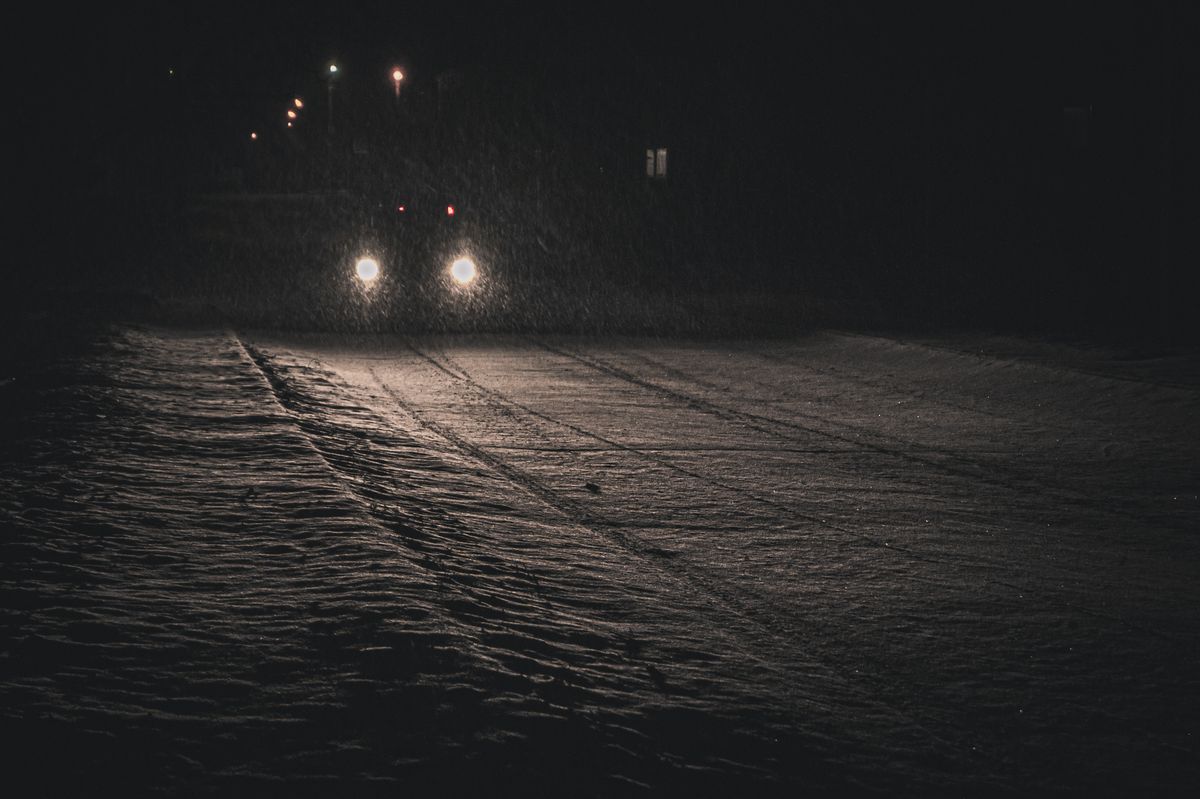
Outside built-up areas, on a narrow, winding road, they can also supplement your high beams. Switch back to low beams as soon as you meet or follow another vehicle, so you don’t dazzle its driver.
A good rule of thumb: when visibility improves, switch them off. In clear weather, day or night, front fog lights should not be left on, even “for style.”
The rule is stricter: the rear fog light may be used only in fog or snowfall. Never in the rain, even heavy rain.
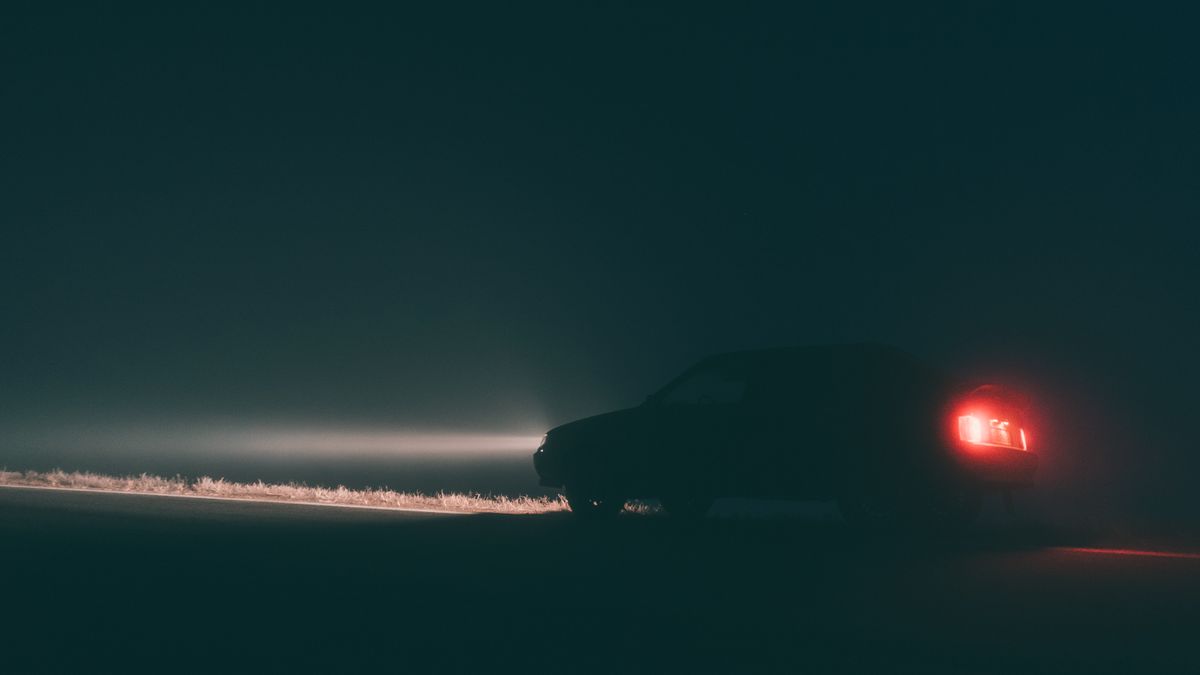
Why the difference? In the rain, the wet road and raindrops on the windshield of the driver behind you greatly intensify glare. The very powerful rear light can then obscure your brake lights: the driver behind you has a harder time seeing that you’re braking.
What to do:
In fog, remember to slow down too: when visibility drops below 50 meters, the speed limit is 50 km/h on all roads, including highways.
It’s all set out in Article R416-7 of the Highway Code. Using fog lights outside the permitted situations is a 4th-class offense: a fixed fine of €135, reduced to €90 if you pay promptly, and increased to €375 if payment is late. No points are deducted from your license.
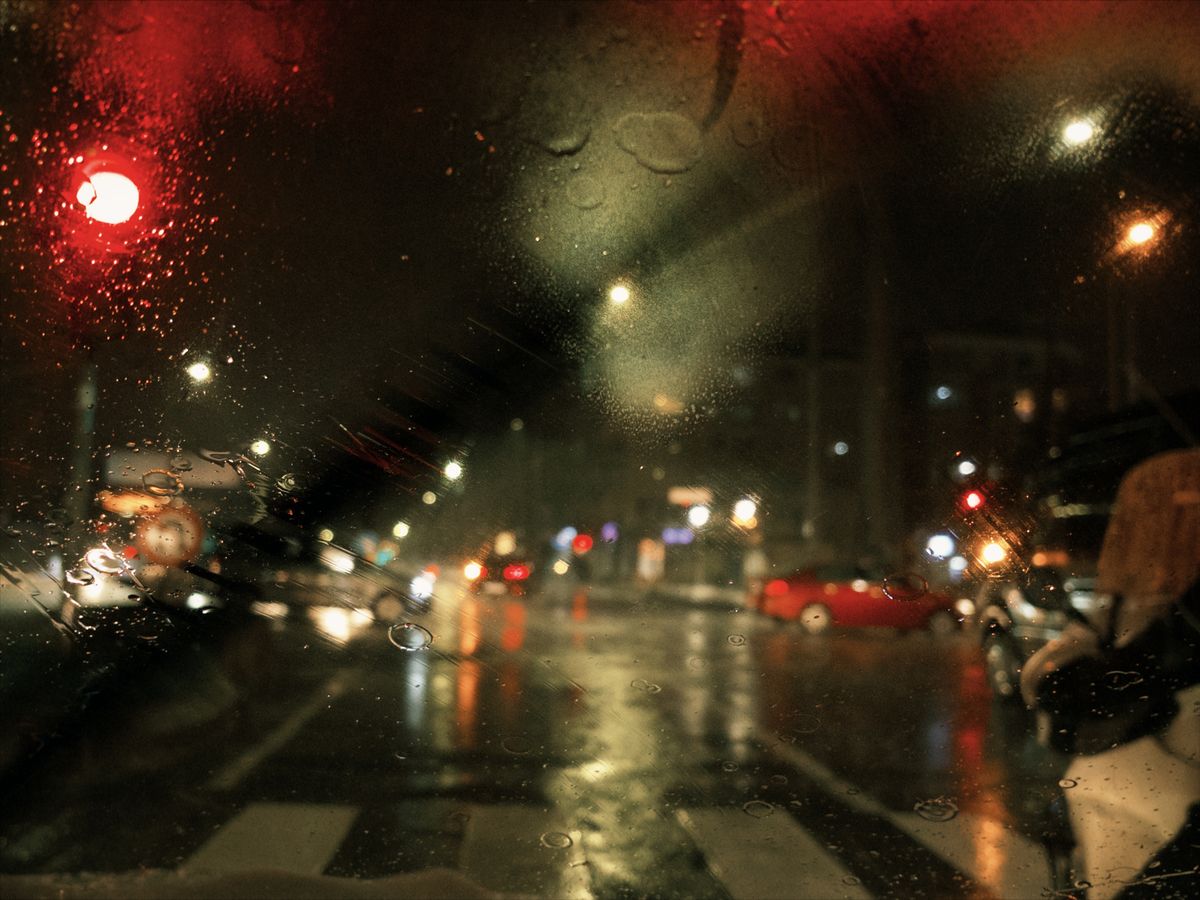
The most common offenses: forgetting to switch off the rear light the day after a foggy morning, using the rear light in a downpour, and leaving the front fog lights on in town at night in dry weather.
The rear light is; the front lights aren’t.
However, failing to turn them on when you should is not, in itself, punishable. What is punishable is driving without suitable lighting when visibility is insufficient, or with a mandatory light that isn’t working. So replace a burned-out rear fog light without delay, especially as winter approaches.
A fog light is only useful if it works on the day you need it. Before the first foggy mornings, take two minutes to check it.
Our complete checklist for all your lights is here: checking your car’s lights.

The easiest way: enter your license plate on agmvision.com to see which bulbs are compatible with your fog lights. Here are a few examples from our catalog:
Frequently asked questions
Switching to LEDs on your Clio 4 is a real upgrade: modernized look, improved visibility, and enhanc...
Read moreLED neon lights, interior lighting, yellow headlights, LED bars and detailing: our gift ideas for ca...
Read moreLED work lights, spray lights, beacons and road-approved lighting: our useful gift ideas for farmers
Read more